Copper sits at the center of the energy transition story in the Middle East because it is embedded in power networks, energy storage, and renewable systems. Fastmarkets, citing the International Energy Agency (IEA) World Energy Outlook 2025, notes that 78% of energy investment is expected to go to fossil fuels in 2025, but that share is projected to fall to 66% by 2035 as investment increases in grids, storage, and low-emissions electricity. The same outlook expects peak electricity demand in the Middle East to rise by around 40% by 2035 compared with 2025. Against that backdrop, Saudi Arabia is both a consumer and a would-be producer in a region where copper supply is tight and market dynamics have been extreme.
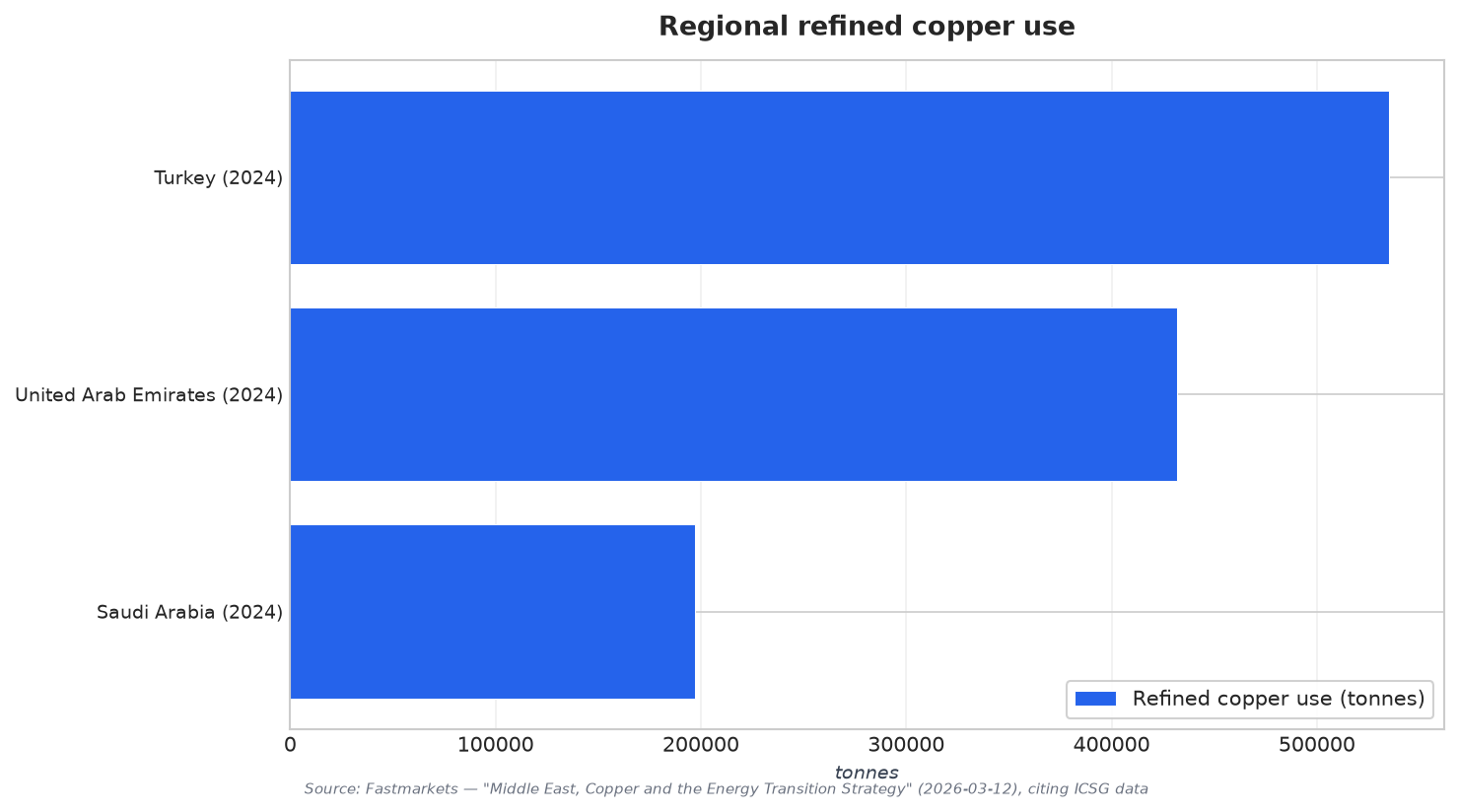
In refined copper use, Fastmarkets reports that Turkey was the region’s biggest user at 535,000 tonnes in 2024 (1.96% of the world total), followed by the United Arab Emirates at 432,000, and Saudi Arabia at 197,000 tonnes. The same reporting underscores the region’s structural reliance on imported metal: Iran is described as the only Middle Eastern country that exports refined copper, at around 114,000 tonnes per year, while the rest are net importers. The UAE is highlighted as the biggest importer, bringing in more than 413,000 tonnes in 2023 (4.2% of the world total) without producing any. This demand-import balance is part of why scaling local output matters to energy-transition buildouts.
Where the Ma’aden–Barrick JV Fits in Saudi Copper Scale-Up
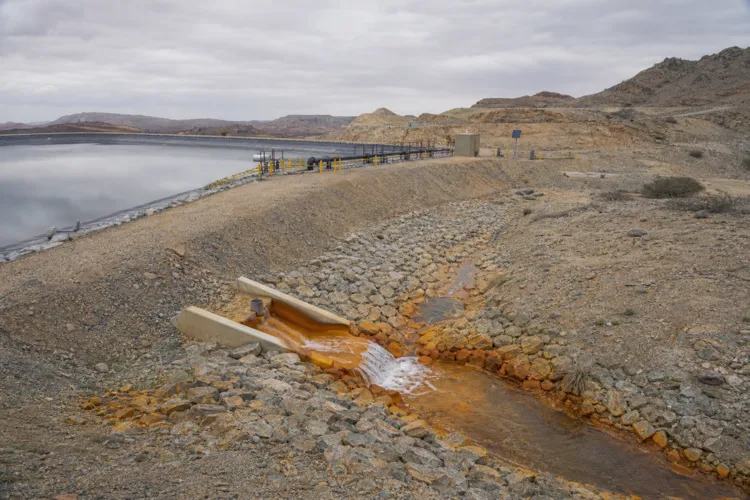
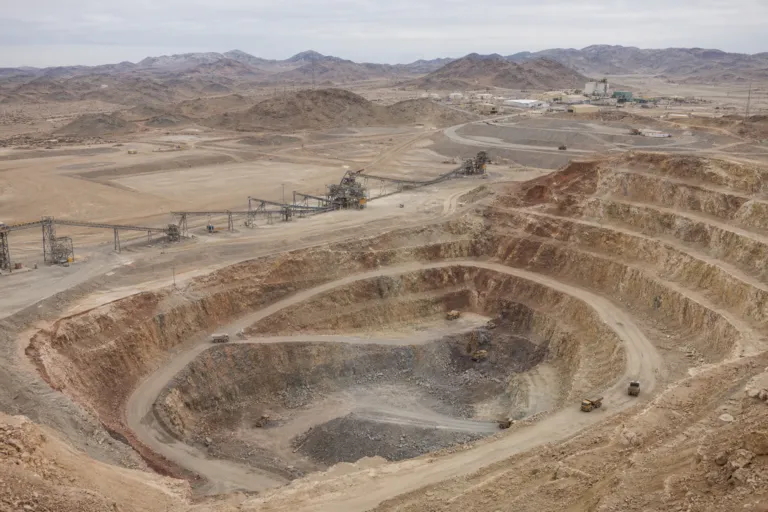
Within Saudi Arabia’s mining push, the Maaden Barrick copper joint venture Saudi Arabia investors track is anchored in the Jabal Sayid copper operation. Mining Frontier reports Jabal Sayid is located 350 kilometres northeast of Jeddah, shipped its first copper concentrate in December 2015, and began commercial production in July 2016. That operational base has also been a platform for more acreage and pipeline options. Mining Frontier and Mining.com.au report that in 2023 Barrick signed additional joint venture agreements with Ma’aden for two prospective exploration projects, Jabal Sayid South and Umm Ad Damar, expanding the mineral exploration footprint in Saudi Arabia.
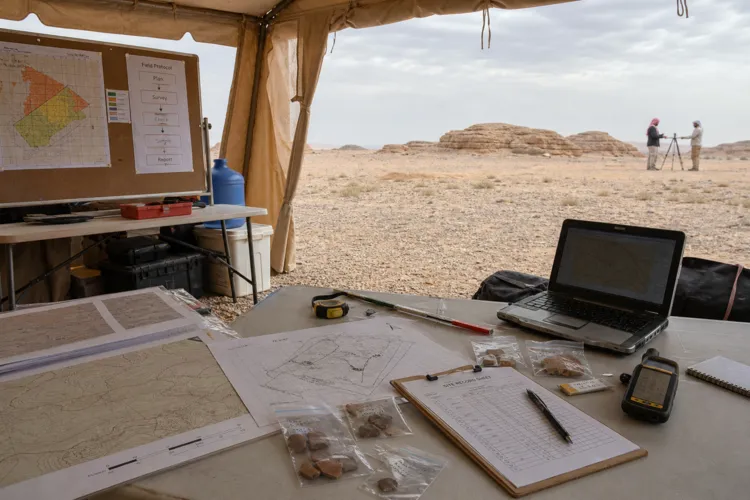
The JV story also sits alongside newer exploration moves that broaden the national search for copper and other “energy transition minerals.” AGBI reports that Aramco and Ma’aden plan a new joint venture, with Ma’aden owning 51% and Aramco 49%, focusing on exploration across Zone 4, known as the Transition Zone in the western part of the Arabian desert. The expected exploration area is about 182,000 sq km, nearly 10% of Saudi Arabia’s total land area. AGBI adds that the new company will also explore other minerals including zinc, lead, and rare earth elements, reflecting how copper development can be paired with wider hard-rock mining opportunities.
Zooming out, several sources frame copper as a large and expanding market category tied to electrification. AGBI states copper makes up more than 20% of the US$1.2 trillion mined metals market and values the copper market at US$250 billion, projected to grow to more than US$400 billion by 2035. Mining Frontier and Mining.com.au also repeat the point that copper makes up over 20% of the US$1.2 trillion mined metals market. For Saudi-focused operators, the practical question is execution: PortersFiveForce.com describes Ma’aden’s model as combining resource discovery, mine development, processing, and commercial delivery, and stresses that scale requires continuous capital, logistics, and technical execution.
How does the Ma’aden–Barrick copper joint venture in Saudi Arabia connect to the energy transition?
Where is the Jabal Sayid copper operation located?
What additional exploration agreements did Barrick and Ma’aden sign in 2023?
How big is the Aramco–Ma’aden exploration area in Zone 4?
What do sources say about refined copper use in Saudi Arabia and the wider region?